
Water Damage Cleanup
Water pulled off carpet, hardwood and tile after a leak, any hour, and the rooms prepared for drying.
View service (206) 000-0001
Seattle's damp climate gives mold a head start. After any leak, seepage or roof drip that is not fully dried, it shows up in basements, crawl spaces, attics and behind bathroom walls.
Have your 5-digit ZIP code ready. A short prompt connects you to a local provider.
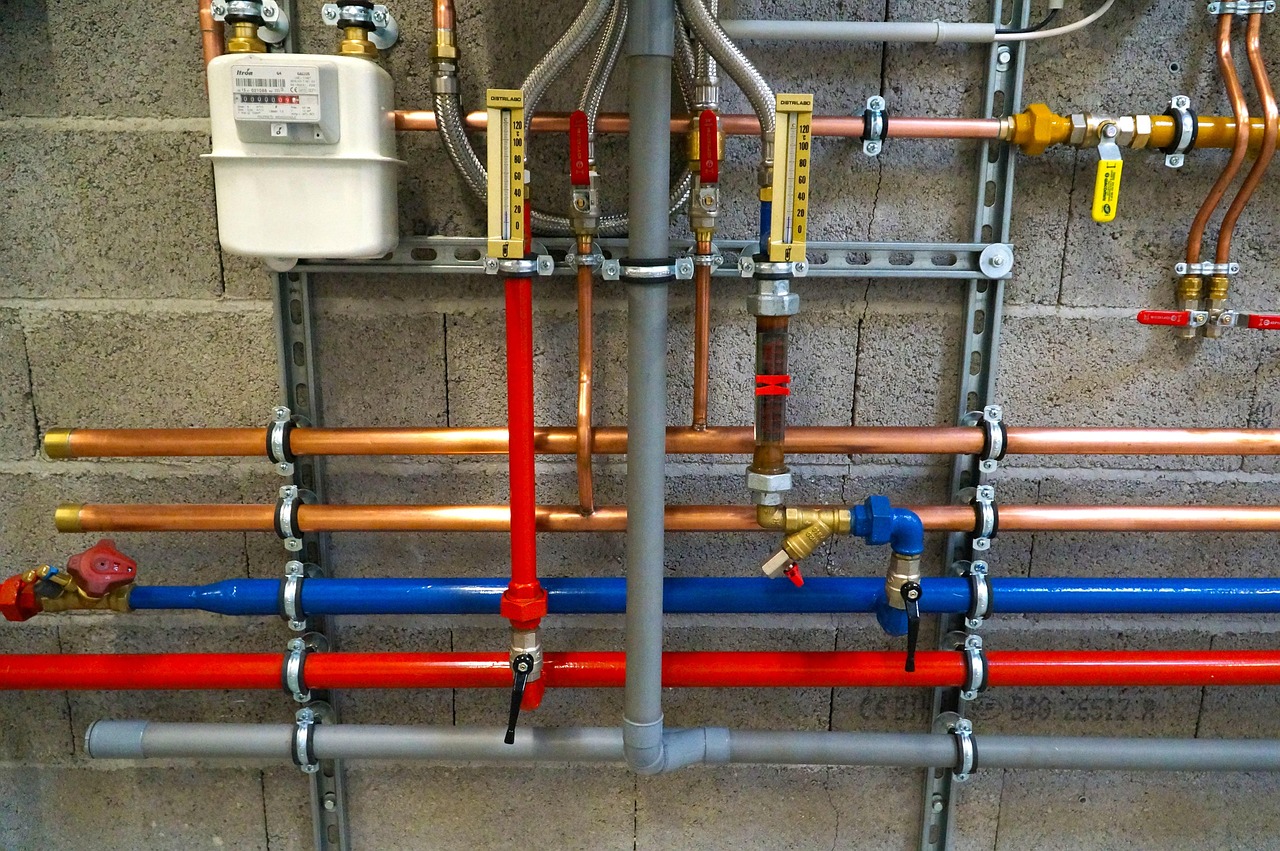
Mold remediation in West Seattle means fixing the moisture, containing the area, removing moldy drywall, insulation and carpet, cleaning framing and concrete, drying and then rebuilding.
Crews seal the area with plastic and run filtered air, remove moldy porous materials, clean framing and concrete, dry everything and check before rebuilding. The EPA mold guidance covers the basics.
Find and fix it.
Plastic and filtration.
Moldy materials out.
After readings.
Persistent odor.
On walls or ceilings.
On joists or subfloor.
Dark patches.
Worse in one area.
Floor drain backing up in the storm? Talk it through on the phone.Open 24/7 · Talk to a local provider in West Seattle
Call 24/7 (206) 000-0001Basements after seepage, crawl spaces with poor vapor barriers, attics after roof leaks or poor ventilation, bathrooms without fans, and behind walls after slow leaks.
If water is still getting in, start with flooded basement cleanup.
Run bathroom fans, keep crawl space vents and barriers in good shape and dry any leak fully.
Small spots on hard surfaces can be cleaned with soap and water wearing gloves and a mask. Larger areas or growth inside walls need a trained crew.
Ceiling stain after days of rain? Ask what to do tonight.Open 24/7 · Talk to a local provider in West Seattle
Call 24/7 (206) 000-0001
Visual and readings.
What feeds it.
Containment.
Explained.
Water in the basement now? Call (206) 000-0001 to reach a local provider.Open 24/7 · Talk to a local provider in West Seattle
Call 24/7 (206) 000-0001| Situation | Approach | Who |
|---|---|---|
| Small surface spots | Clean and dry | Homeowner |
| Basement walls | Open, remove, clean, dry | Crew |
| Crawl space | Clean, treat, improve barrier | Crew |
| Attic | Remove insulation, clean decking | Crew |
| Factor | Why it matters | What to ask on the call |
|---|---|---|
| Rooms affected | How far the water went | Which rooms read wet? |
| Water type | Clean, grey or sewage | What category is it? |
| Removal | Pad, trim, drywall, insulation | What can stay? |
| Drying days | How long equipment runs | Will I see daily readings? |
| Containment | Size | How big? |
Fast drying prevents most mold. Call (206) 000-0001 any hour.
Floor drain backing up in the storm? Talk it through on the phone.Open 24/7 · Talk to a local provider in West Seattle
Call 24/7 (206) 000-0001Do not use bleach on drywall or wood or sand large areas yourself.
Before any mold remediation work starts in West Seattle, ask the company for its Washington contractor registration number and check it on the Washington L&I contractor lookup. Plumbing repairs need a certified plumber, and rebuilding needs a registered contractor. Ask whether the technicians are IICRC-trained for water damage and request a certificate of liability insurance before anyone opens walls or sets up equipment.
Mold is what follows when part of water damage restoration in West Seattle comes too late.
Ceiling stain after days of rain? Ask what to do tonight.Open 24/7 · Talk to a local provider in West Seattle
Call 24/7 (206) 000-0001Crawl spaces with torn vapor barriers or poor ventilation grow mold on joists and subfloor. Cleaning, a new barrier and better airflow usually fix it.
Attics with blocked vents trap warm, moist air in winter, which condenses on the roof deck and feeds mold. Clear soffit vents and proper bath fan ducting help.
Once the water has stopped, tell your agent about the mold after water. Ask whether they want to inspect before equipment goes in, keep every receipt and ask the provider for photos and moisture readings each day. Washington policies treat sudden plumbing leaks, sewer backup, seepage and flood very differently, so the wording of your own policy matters more than any general rule.
Water in the basement now? Call (206) 000-0001 to reach a local provider.Open 24/7 · Talk to a local provider in West Seattle
Call 24/7 (206) 000-0001Renters dealing with mold after water should tell the landlord or property manager in writing right away, with photos and the time it was found. The building is normally the owner's responsibility and belongings fall under renters insurance. Owners who start drying the same day usually keep repair costs and lost rent down.
On the phone about mold after water, ask when they can arrive, what they will measure, whether they check behind basement walls and under pad, how many days of drying they expect and how the bill is figured. Ask about billing your insurer and who handles the rebuild. Specific answers usually mean a well-run job.
Clean-water jobs involving mold after water in West Seattle usually dry in three to five days after extraction. Damp winter air, concrete basement floors and wet framing can stretch that. Rebuilding waits until readings are dry. A provider should give you a rough timeline on the first visit.
Floor drain backing up in the storm? Talk it through on the phone.Open 24/7 · Talk to a local provider in West Seattle
Call 24/7 (206) 000-0001With mold after water, price follows a few things: how long water sat, how clean it was, how much finished space it reached and whether carpet, cabinets or plaster must come out. Older homes with plaster walls and old-growth trim take more care. Closing the right valve fast and calling early save the most.
In West Seattle, mold after water often follows the weather: long rainy stretches from October to April, atmospheric river storms that drop inches in a day or two, the occasional hard freeze, and quieter summers when supply hoses and water heaters still fail. Mentioning the weather helps the provider guess the source.
Many West Seattle homes date from the early 1900s to the 1950s, with basements, crawl spaces, plaster walls and plumbing that has been patched over the decades. With mold after water, those homes hide water in more places, so providers who work here check under floors, behind plaster and in crawl spaces.
Ceiling stain after days of rain? Ask what to do tonight.Open 24/7 · Talk to a local provider in West Seattle
Call 24/7 (206) 000-0001Need help with mold after water now? Call (206) 000-0001. A local provider answers day and night, walks you through the first steps and can usually reach a West Seattle home the same day.
Containment means sealing the work area with plastic and running an air scrubber with a HEPA filter so spores do not drift into the rest of the house.
Some owners ask for an independent inspection after removal, especially if someone has allergies or asthma.
Water in the basement now? Call (206) 000-0001 to reach a local provider.Open 24/7 · Talk to a local provider in West Seattle
Call 24/7 (206) 000-0001Many policies cap mold coverage unless it comes from a covered sudden leak handled promptly. Photos, dates and readings help.
Removing mold without fixing the leak or seepage only buys time. The area has to read dry before walls are closed.
Seattle winters keep indoor air damp. Bath fans, kitchen fans and a dehumidifier in the basement help.
Floor drain backing up in the storm? Talk it through on the phone.Open 24/7 · Talk to a local provider in West Seattle
Call 24/7 (206) 000-0001Good records protect you whether or not you file a claim. For mold remediation, keep the provider's first-day moisture map, daily readings, photos of every wet room before and after removal, and invoices for the plumber or roofer. If you sell the house later, a documented, properly dried loss is far easier to explain than an undocumented one.
After mold remediation, ask the provider and the plumber what would stop it from happening again. Common answers in West Seattle are clean gutters and downspout extensions, a side sewer inspection and backwater valve, a leak sensor by the water heater, insulated crawl space pipes and an automatic shut-off valve on the main. Most cost far less than a second cleanup.
Drying equipment runs day and night for several days, and technicians come back each day to take readings. With mold remediation, ask what time the daily visits usually happen, whether someone needs to be home and which circuits the equipment will use so breakers do not trip.
Ceiling stain after days of rain? Ask what to do tonight.Open 24/7 · Talk to a local provider in West Seattle
Call 24/7 (206) 000-0001When roof leaks or poor ventilation keep attic insulation and decking damp, mold grows on the underside of the roof sheathing, often as dark staining near the eaves. Removal means pulling wet insulation, cleaning or treating the decking and fixing the ventilation and leaks so the same spot does not grow mold again next winter.
If you want testing, use an independent inspector rather than the company doing the removal, so the results are unbiased. Testing is most useful when you smell mold but cannot find it, or when someone in the home has health concerns.
Older bathrooms often have no exhaust fan or one that vents into the attic. Steam from showers then feeds mold on ceilings and inside the attic above.
Water in the basement now? Call (206) 000-0001 to reach a local provider.Open 24/7 · Talk to a local provider in West Seattle
Call 24/7 (206) 000-0001It can affect health, especially with allergies or asthma.
The EPA says small areas under about ten square feet may be cleaned by homeowners.
Not usually when visible.
Not if moisture is fixed.
Water pulled off carpet, hardwood and tile after a leak, any hour, and the rooms prepared for drying.

Hillside seepage, storm runoff and plumbing leaks pumped out of basements and dried.
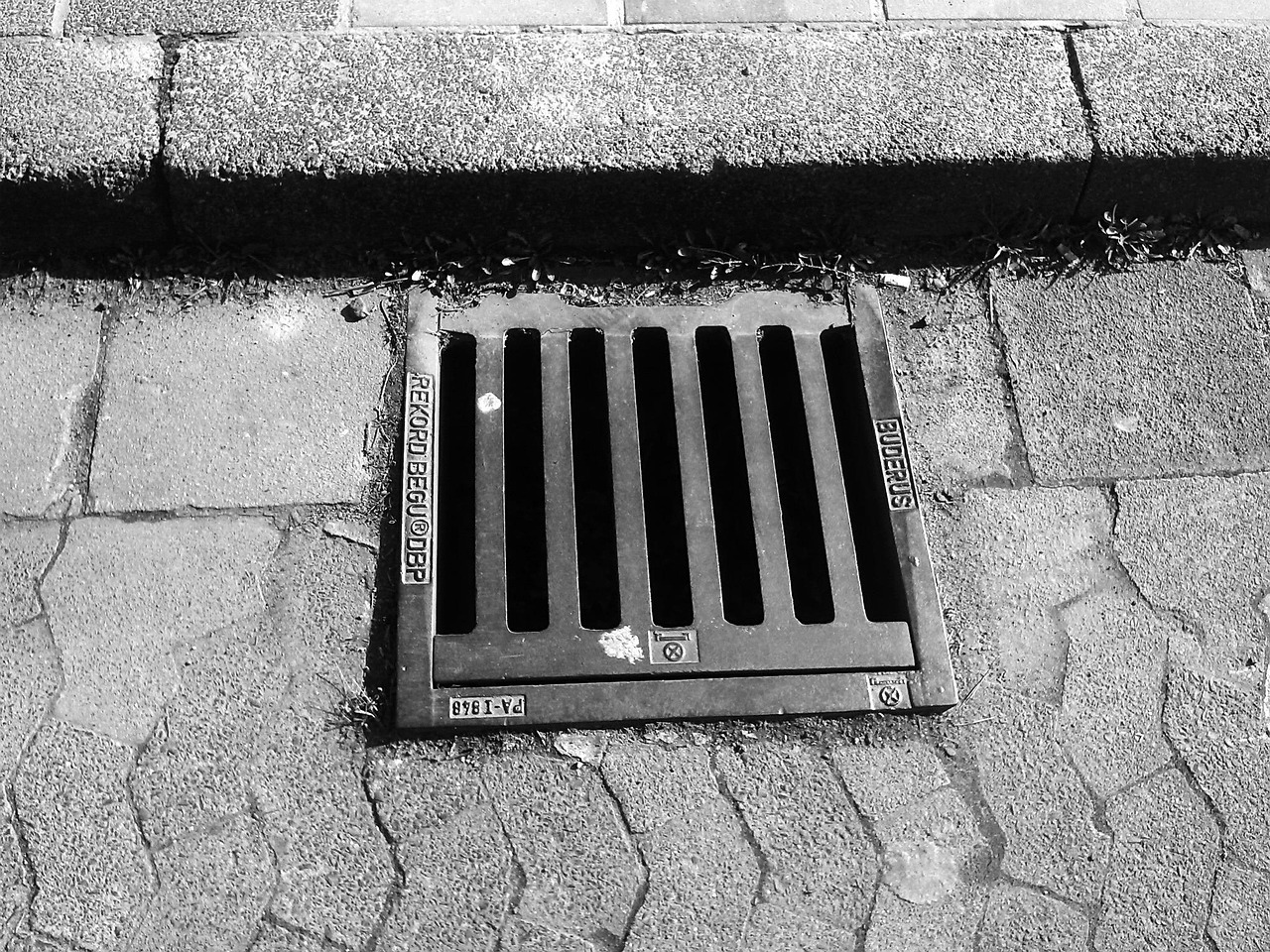
Floor drain and toilet backups during heavy rain removed, sanitized and dried.
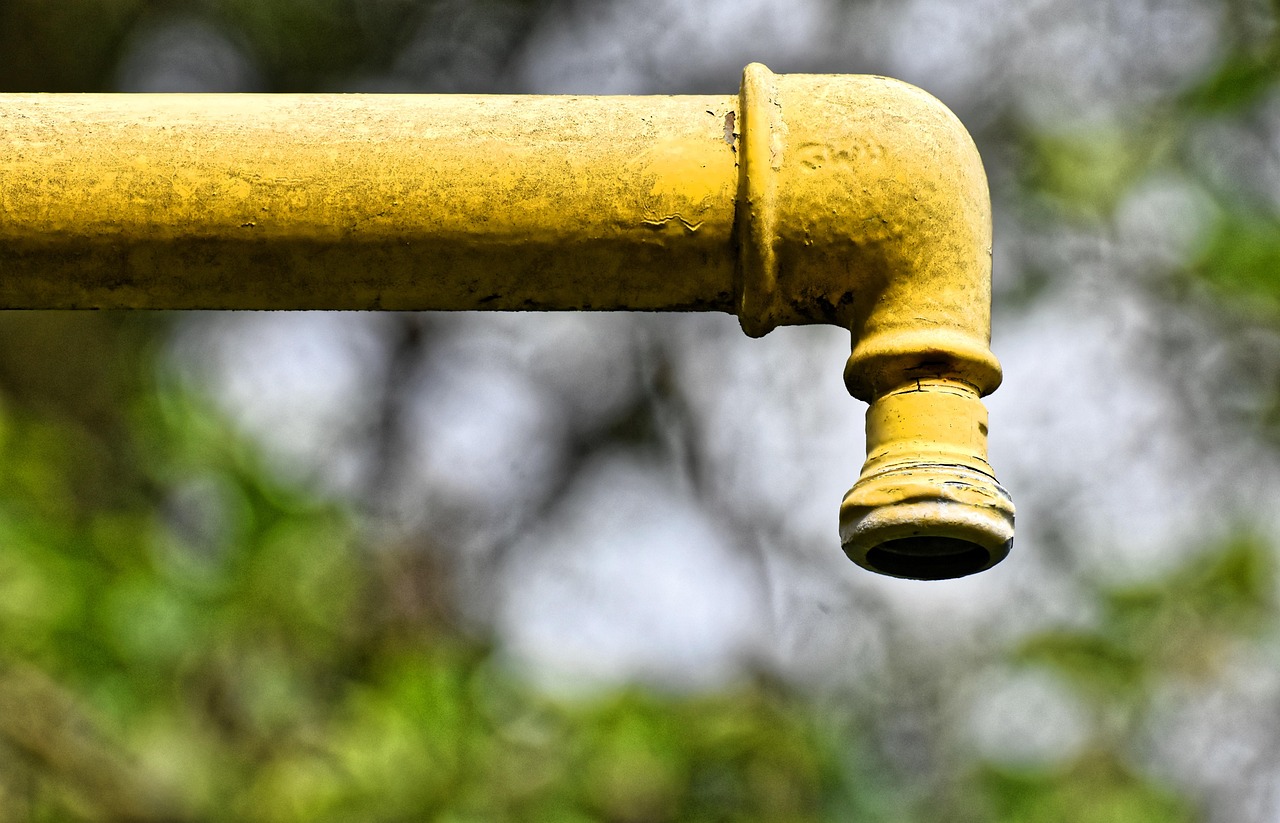
Old galvanized and copper leaks and cold-snap splits dried out of walls, ceilings and crawl spaces.
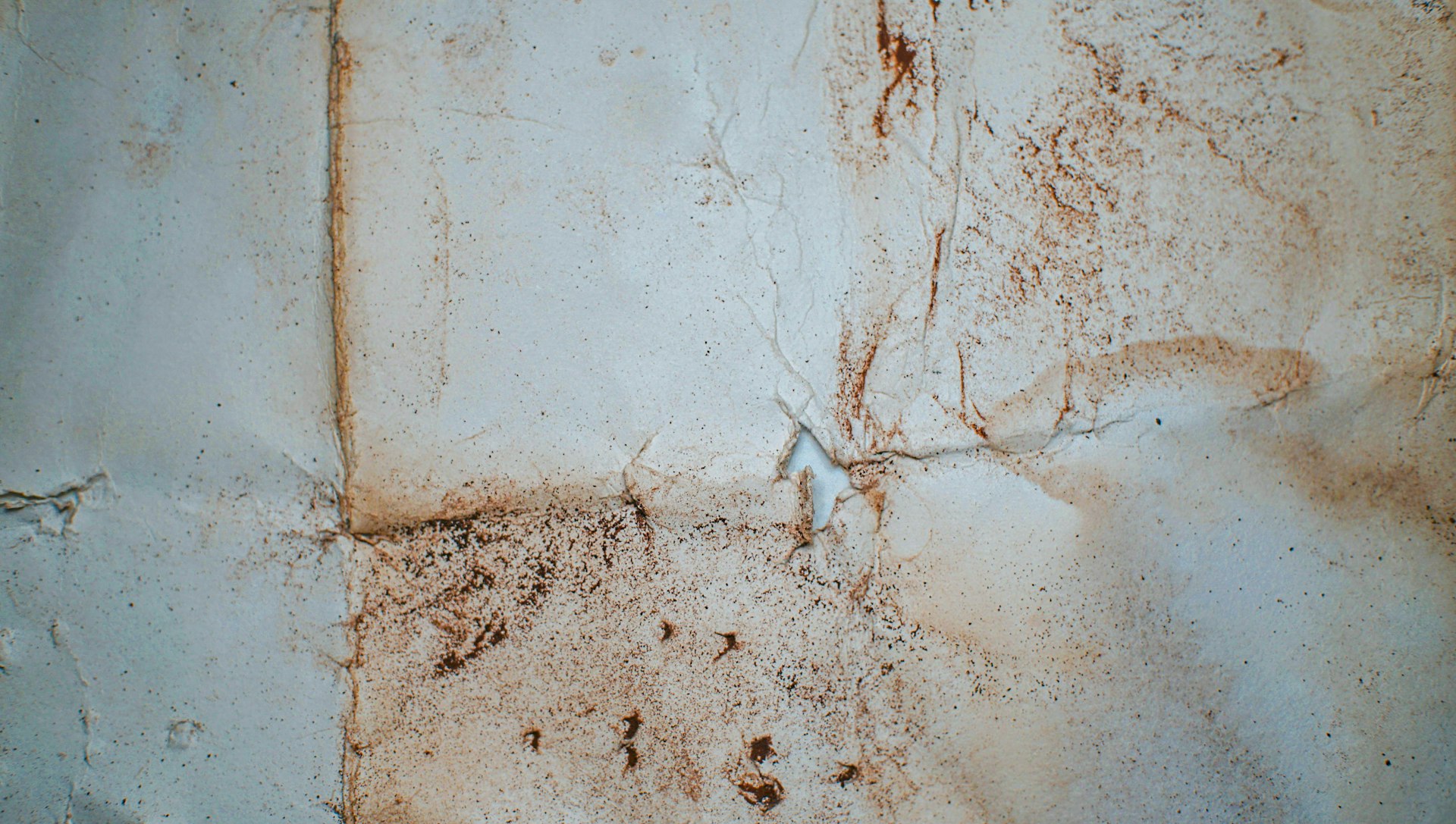
Rain pushed in by moss, clogged gutters and worn flashing dried out of attics and ceilings.
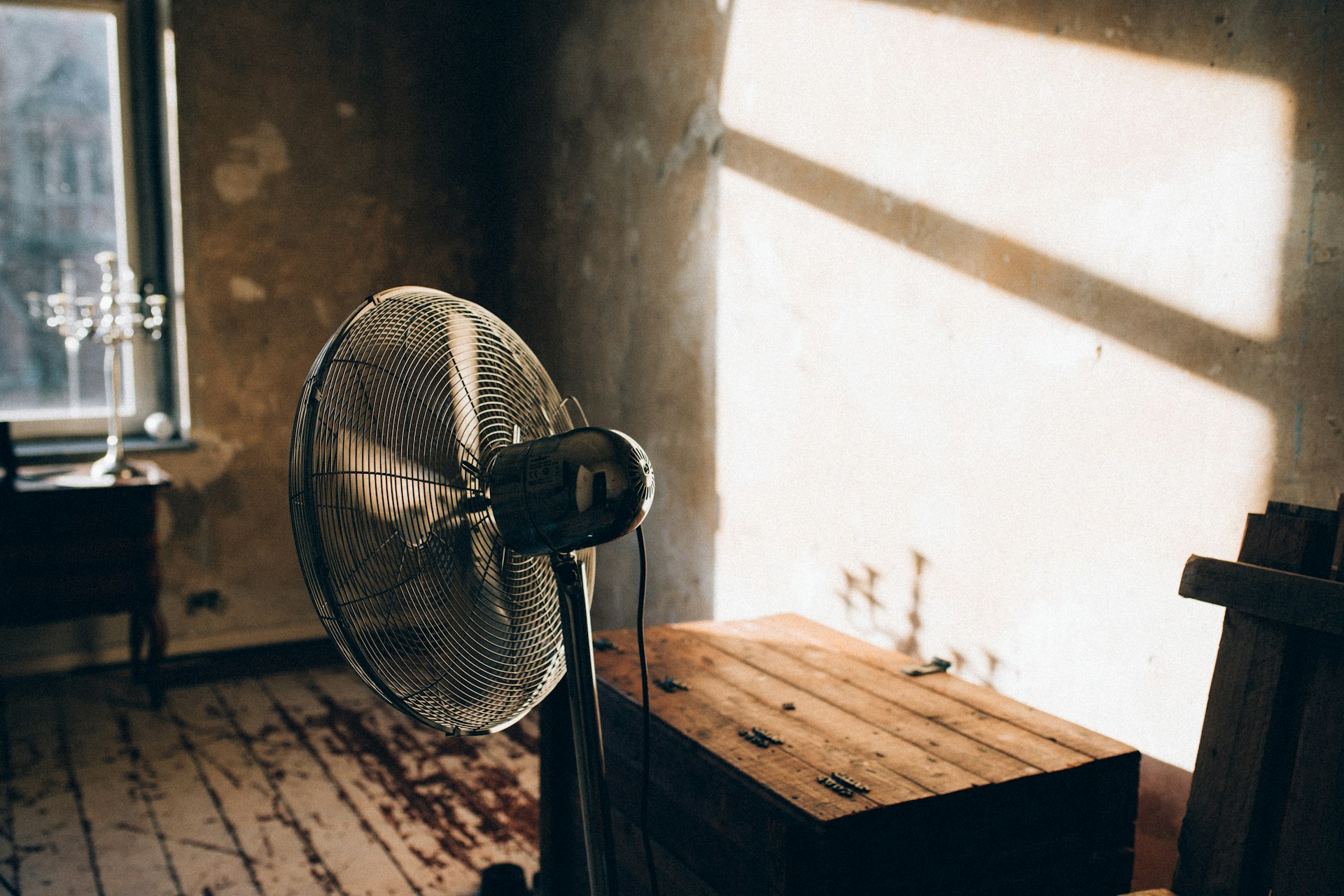
Dehumidifiers and air movers dry framing, plaster, subfloors and crawl spaces, measured every day.
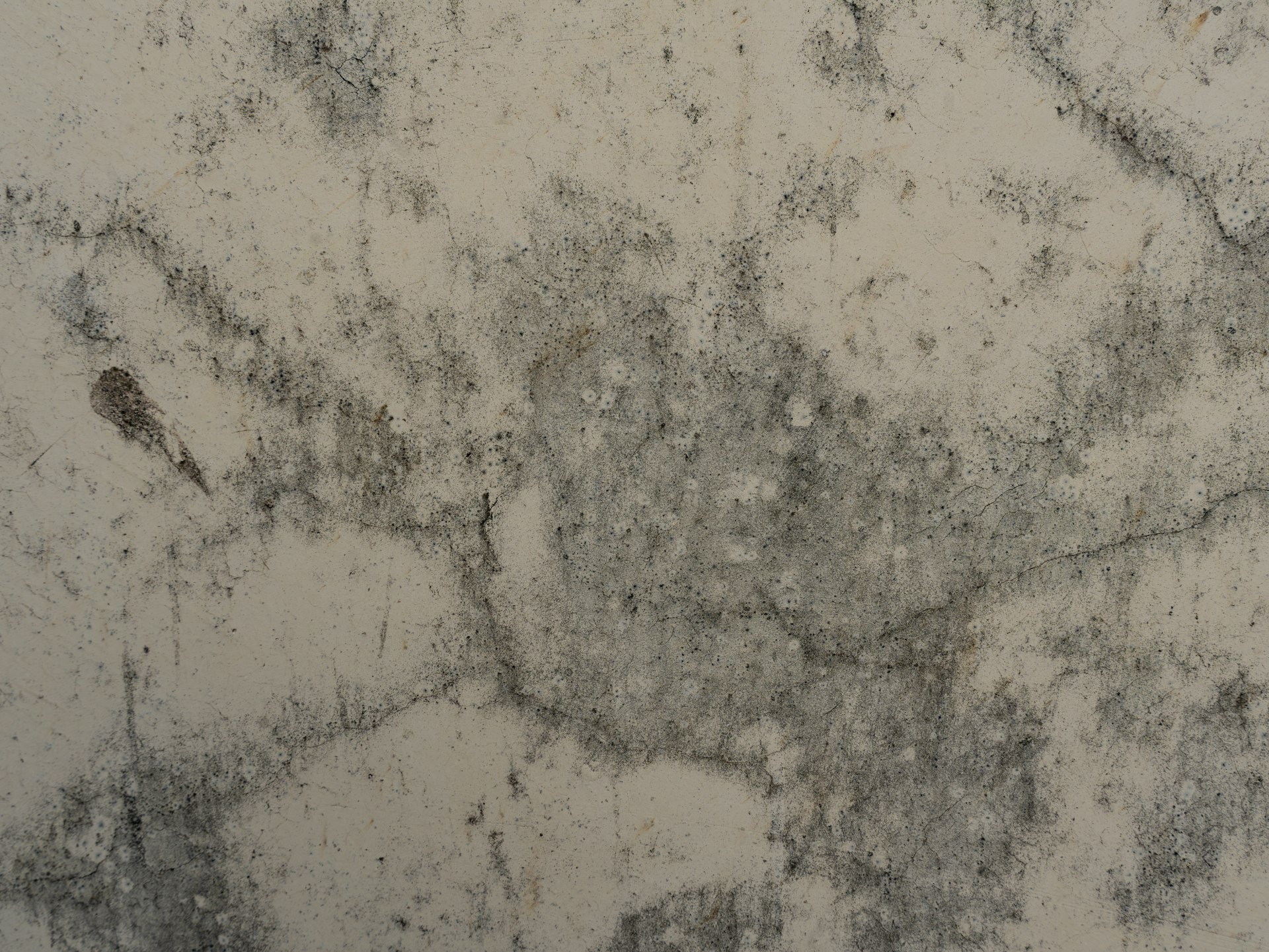
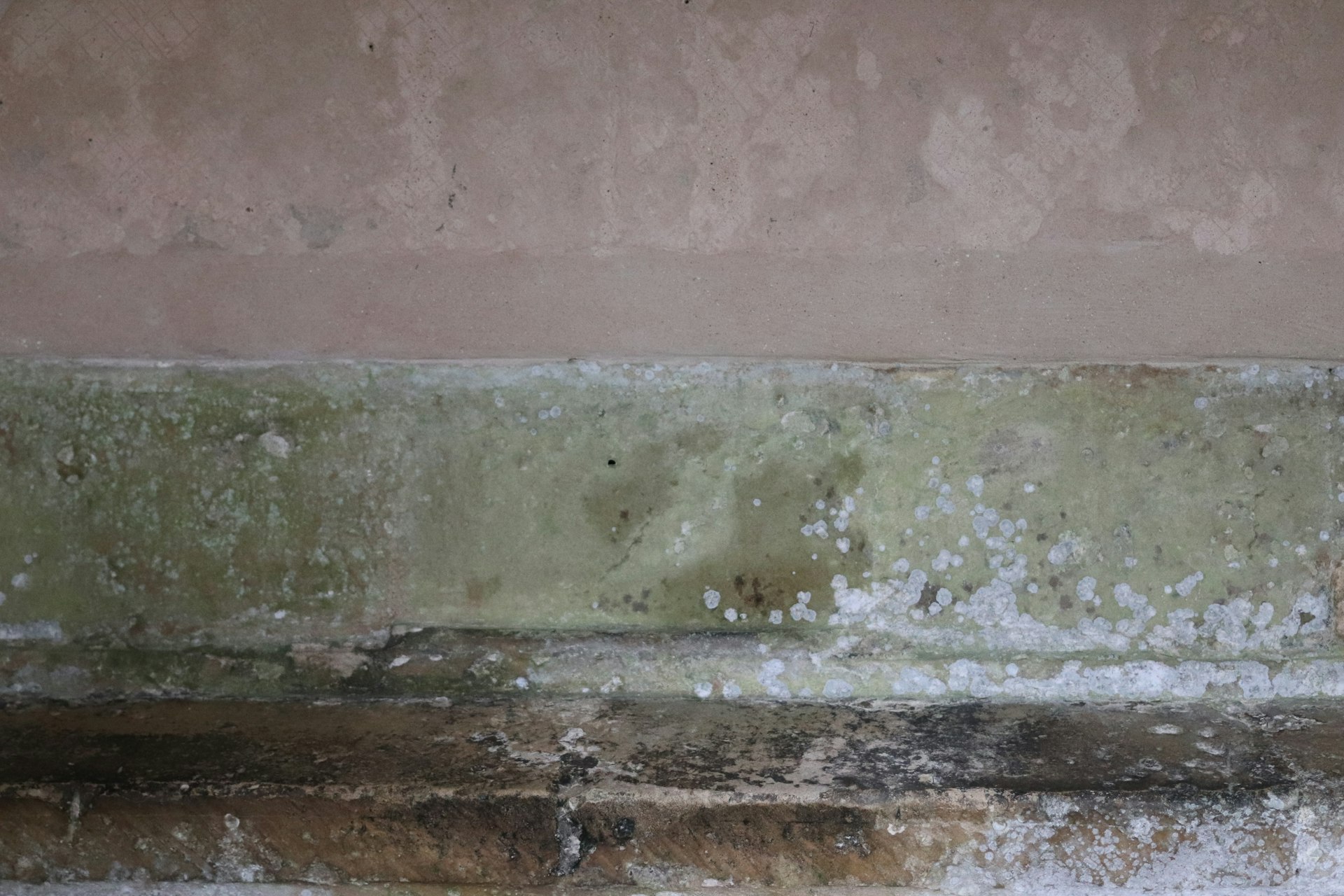
Representative photos of the kind of work local providers handle.
Talk to a local provider
One call reaches a restoration company that works all over West Seattle, from Alki to Arbor Heights and Delridge. They walk you through the plan and how the price is set before anything begins.
(206) 000-0001Have your 5-digit ZIP code ready. A short prompt connects you to a local provider.