
Water Damage Cleanup
Water pulled off carpet, hardwood and tile after a leak, any hour, and the rooms prepared for drying.
View service (206) 000-0001

West Seattle, WA
Groundwater pushing through a basement wall after a week of rain, a floor drain backing up during a storm, an old galvanized pipe that finally let go behind the kitchen, a water heater that failed next to a finished basement. One call reaches a local restoration company that can pull the water out and dry the house.
Have your 5-digit ZIP code ready. A short prompt connects you to a local provider.
Water damage restoration in West Seattle covers stopping the water, pumping and extracting it from basements, crawl spaces and floors, drying framing, plaster and concrete with dehumidifiers and air movers, and repairing what could not be saved. The usual causes here are hillside seepage, sewer backups in heavy rain, aging pipes, roof and gutter leaks and water heaters.
Water damage in West Seattle
Water damage restoration in West Seattle brings a wet home back to dry, whether the water came through a basement wall after weeks of rain, up through a floor drain during a storm, out of an old pipe, down from a mossy roof or out of a tired water heater. Plumbing inside the home and the side sewer belong to the owner, so cleanup is a private job, not a City one.
Choose the page that matches. Water on the floor anywhere is water damage cleanup in West Seattle. Water across a basement is flooded basement cleanup. Dirty water from a drain is sewer backup cleanup. A failed line is burst pipe water damage. Stains overhead after rain are roof and gutter leak damage. Structural drying finishes the job, and growth from a hidden leak is mold remediation.
Neighborhoods vary: hillside homes in Alki and Admiral, older bungalows around the Junction and Fauntleroy and a mix of old and new homes in Delridge and High Point.
First steps
Plumbing leak: close the main valve. Floor drain backup: stop running water, flushing and laundry. Water heater: close the cold line and turn off gas or power.
Keep out of water that reaches outlets, cords or the furnace. Switch breakers only from a dry floor. Stay clear of sagging ceilings.
Photograph the water and its source before moving anything. Insurers ask for them first.
Call (206) 000-0001. Water wicks into plaster, drywall and framing quickly, and the first hours decide what can be saved.
Services
Each page explains the job in plain words and lists questions to ask before work begins.
Water pulled off carpet, hardwood and tile after a leak, any hour, and the rooms prepared for drying.

Hillside seepage, storm runoff and plumbing leaks pumped out of basements and dried.
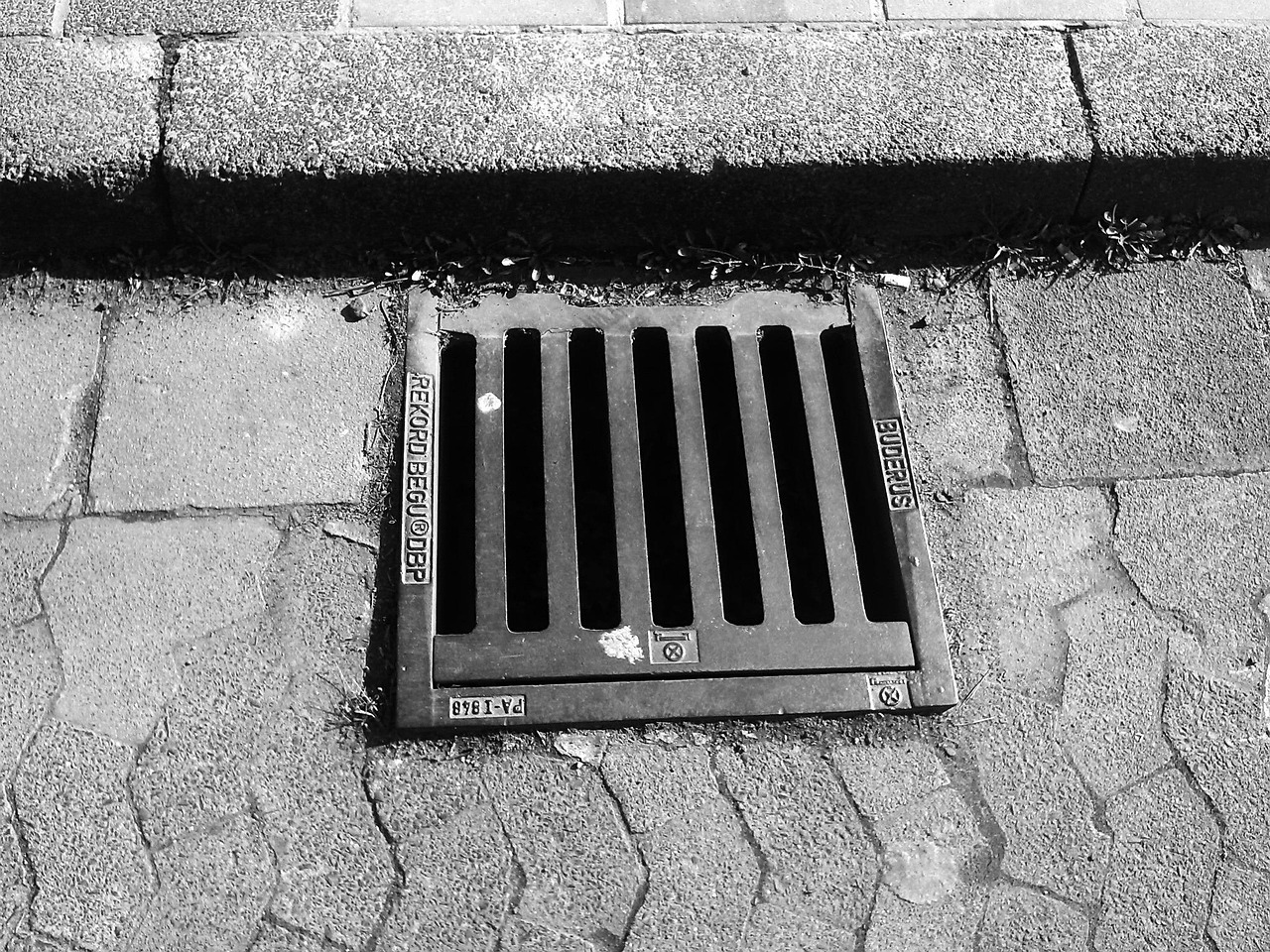
Floor drain and toilet backups during heavy rain removed, sanitized and dried.
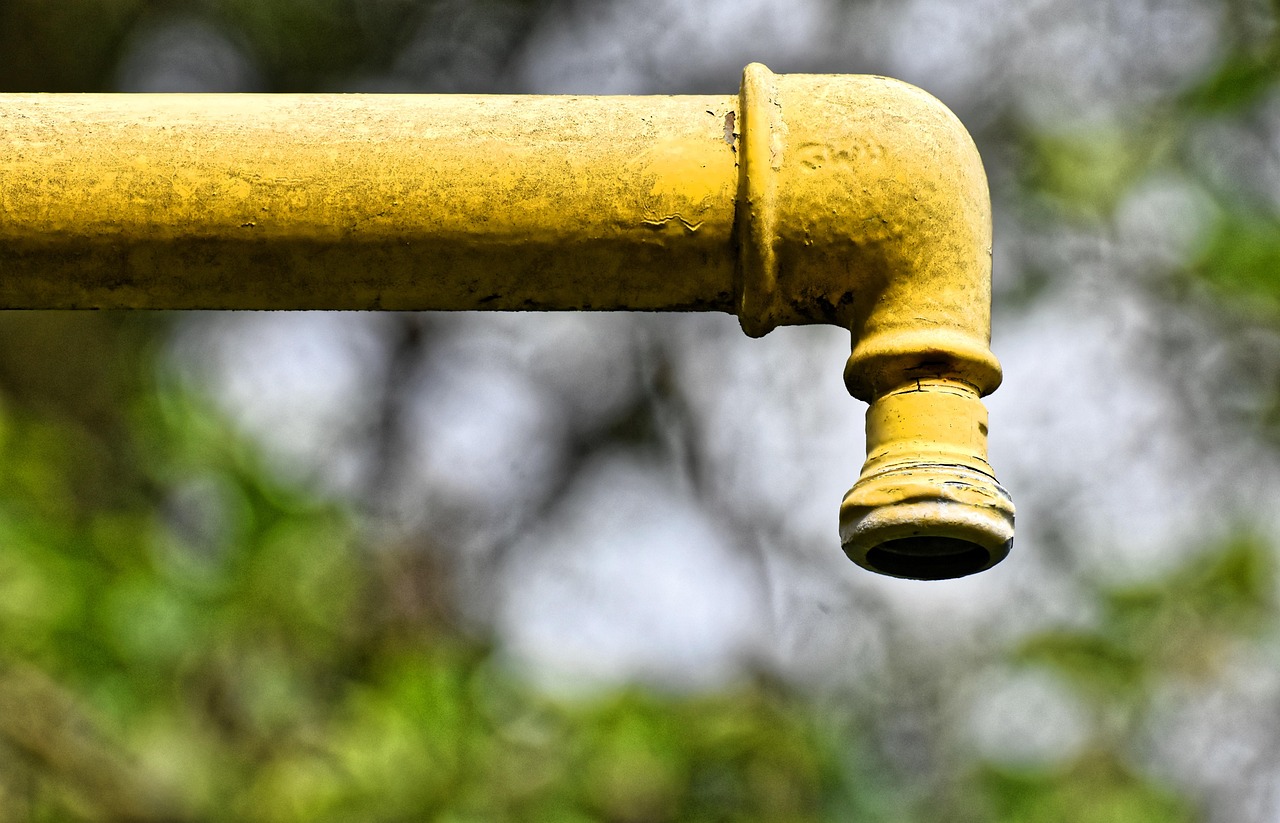
Old galvanized and copper leaks and cold-snap splits dried out of walls, ceilings and crawl spaces.
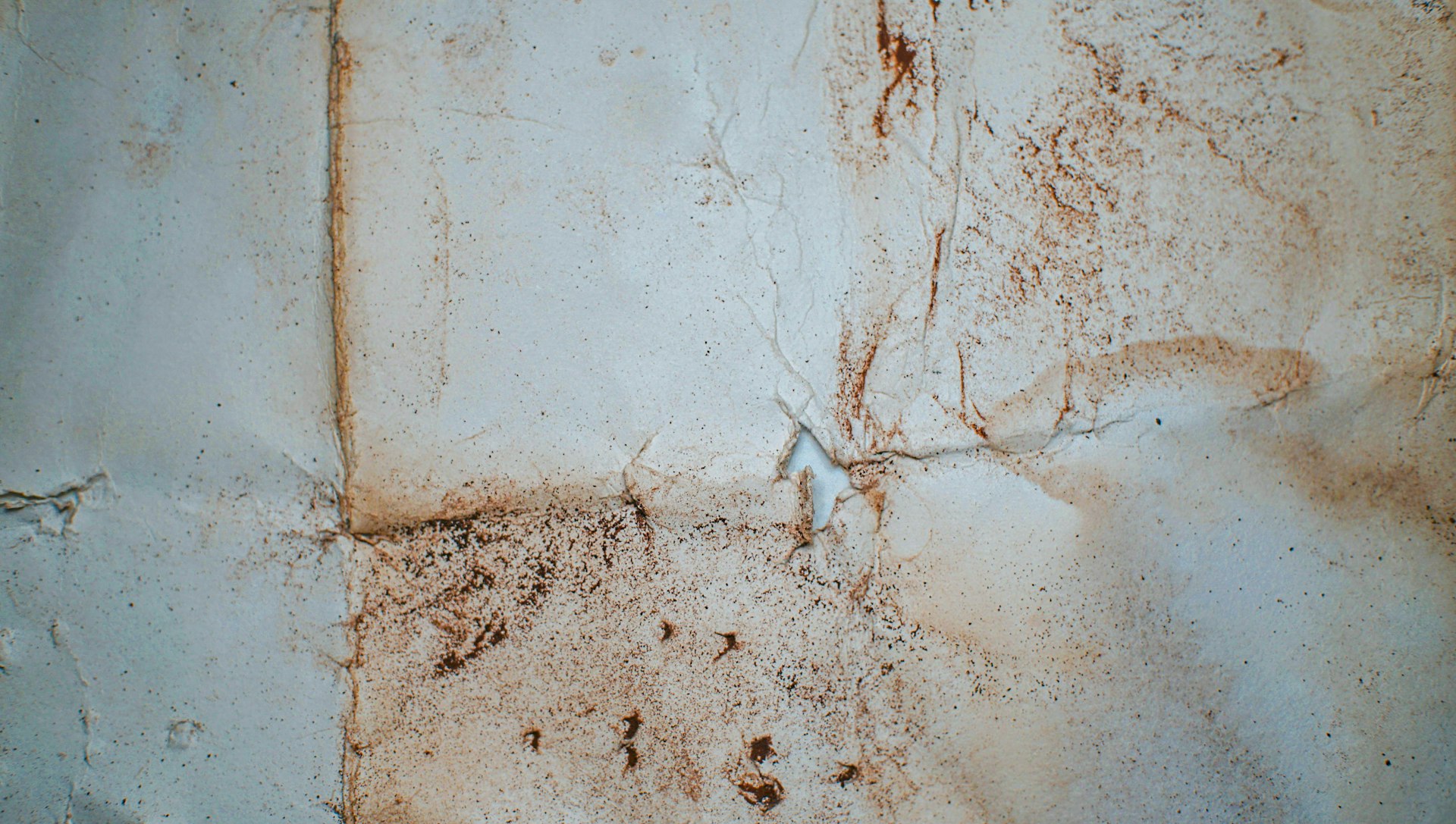
Rain pushed in by moss, clogged gutters and worn flashing dried out of attics and ceilings.
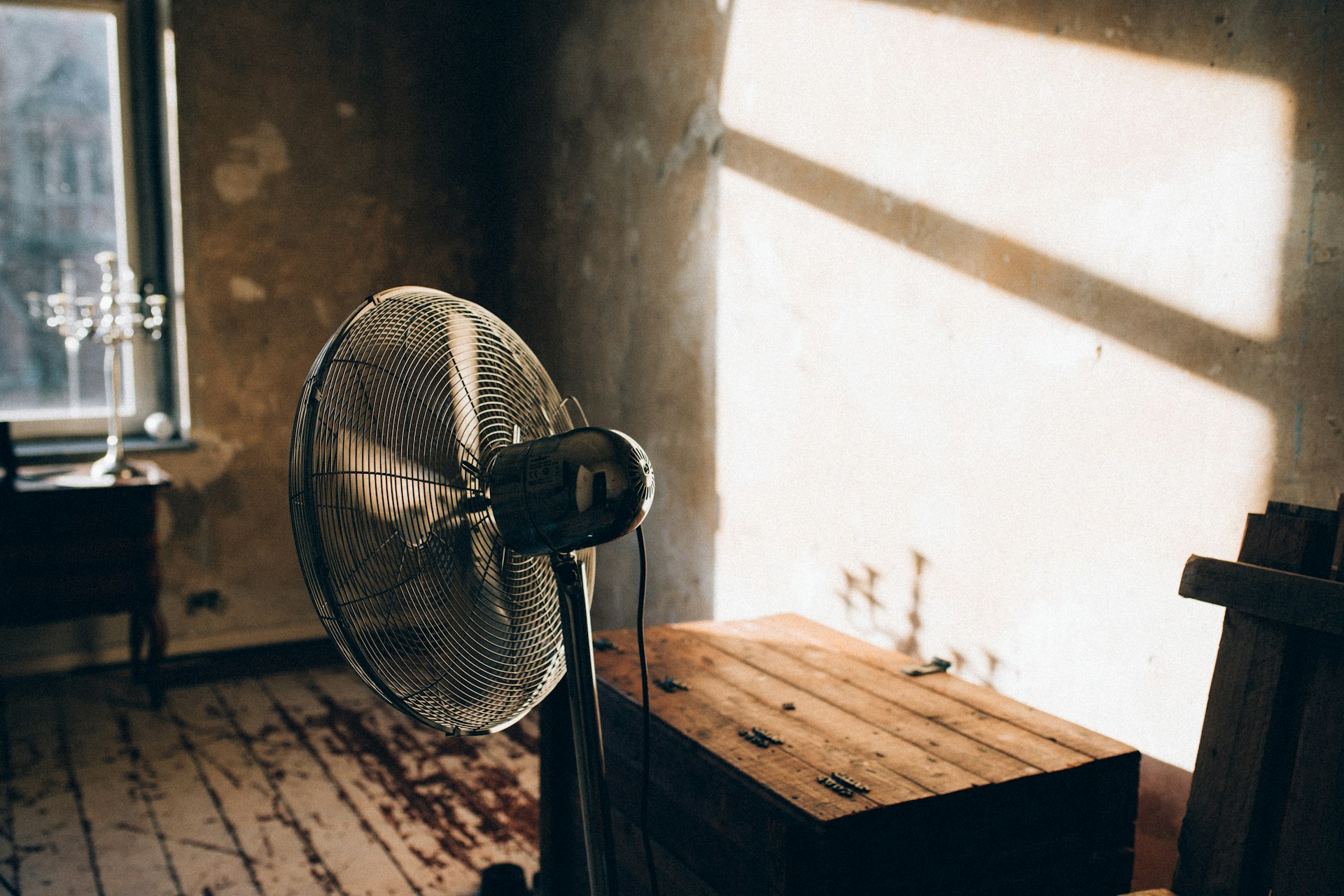
Dehumidifiers and air movers dry framing, plaster, subfloors and crawl spaces, measured every day.
Mold in basements, crawl spaces and attics contained and removed, with the moisture fixed.
Washington contractors must be registered with the Department of Labor & Industries, and plumbers must be certified. Ask for the number and look it up with the Washington L&I contractor lookup before work begins. Ask whether the crew holds IICRC water damage certification and carries liability insurance.
West Seattle is a peninsula across the Duwamish from downtown. Settlers landed at Alki Point in 1851, and the area joined Seattle in 1907. Streetcars brought bungalows and craftsman homes to the Junction, Admiral and Fauntleroy in the early 1900s, and postwar building filled in Arbor Heights, Delridge and Highland Park. When the West Seattle Bridge closed from 2020 to 2022, residents learned how cut off the peninsula can feel.
Where a home sits shapes its water problems. Older homes have galvanized pipe, clay side sewers, plaster walls and crawl spaces. Homes on the slopes above Alki, Fauntleroy and Delridge deal with groundwater pressing on basement walls during the wet months. Big trees shade many roofs, which keeps them mossy and clogs gutters.
Water and sewer service come from Seattle Public Utilities. The City handles the mains. The side sewer and every pipe on the property belong to the owner.
Project gallery
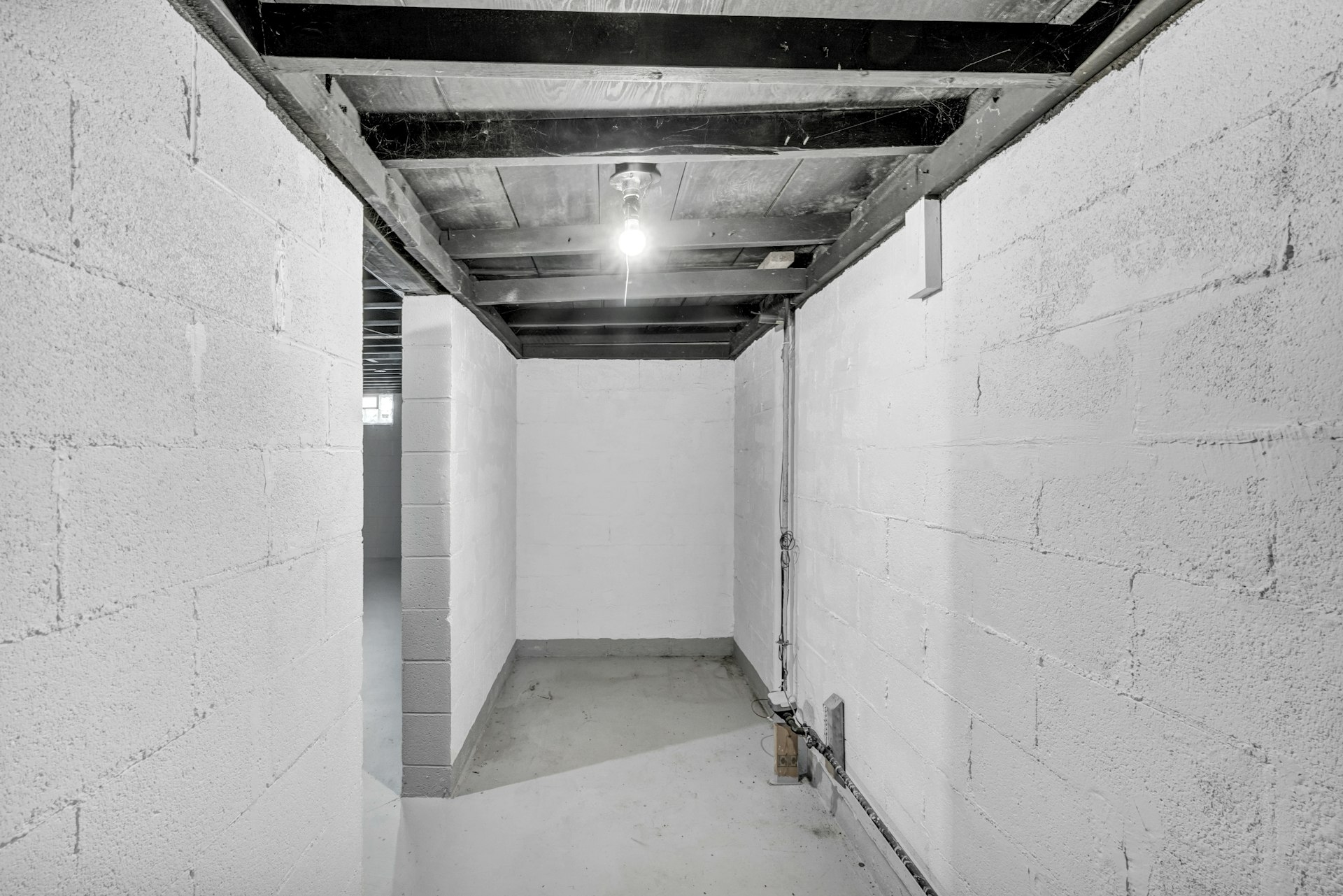
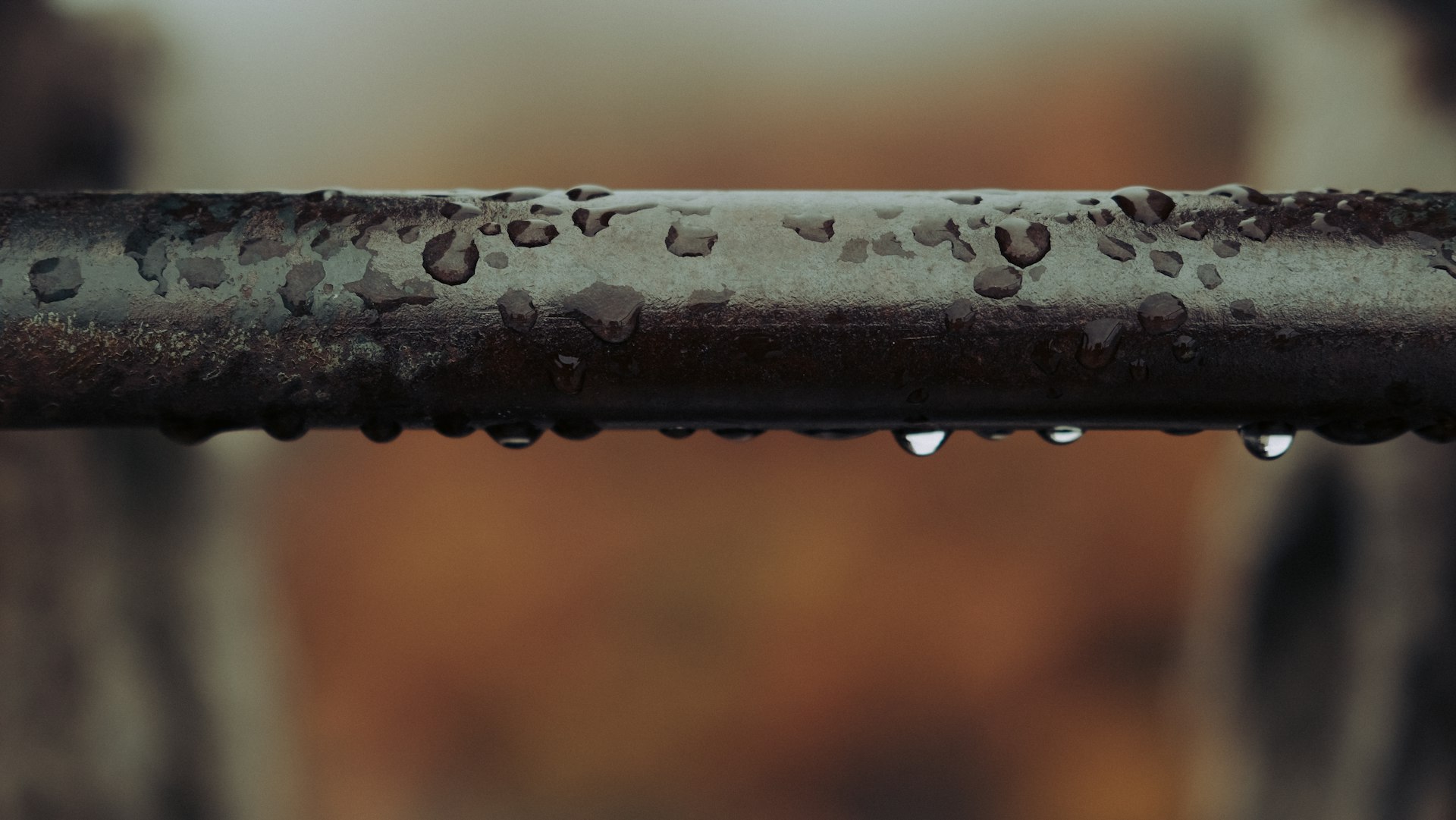
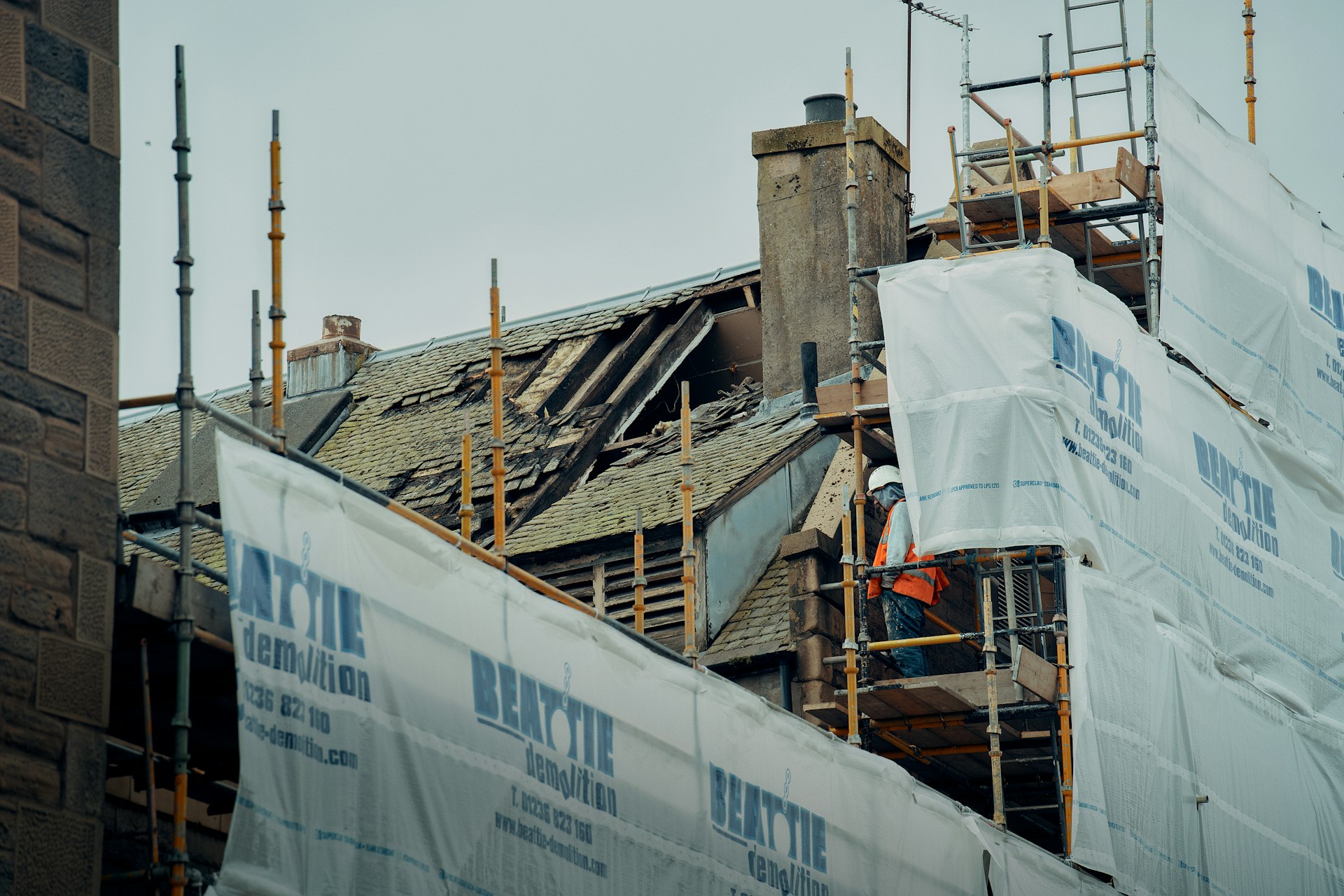

Representative photos of the kind of work local providers handle.
FAQ
Shut the main water valve, often in the basement or crawl space on the street side, if the water is from plumbing. If a floor drain is backing up, stop using water in the house. Keep away from wet outlets, take photos, then call.
Often not. Seepage and surface water are commonly excluded, while sudden plumbing leaks usually are covered. Sewer backup usually needs an endorsement. Ask your agent.
In Seattle, the property owner owns the side sewer all the way to the public main, including the part under the street.
Usually three to five days for clean water. Concrete basements, crawl spaces and plaster can take longer in damp weather.
Talk to a local provider
One call reaches a restoration company that works all over West Seattle, from Alki to Arbor Heights and Delridge. They walk you through the plan and how the price is set before anything begins.
(206) 000-0001Have your 5-digit ZIP code ready. A short prompt connects you to a local provider.